



Looking to renew SSL certificate? Here’s how you can do it hassle-free!
Securing your website with an SSL certificate is a piece of cake. It doesn’t require much of your time nor does it burn a hole through your pocket. But, here’s the catch. These SSL certificates expire within a 1-3 Years for DigiCert & 1-5 years for Sectigo validity period. If you’re facing something similar too, it’s time to renew the SSL certificate for your website.
Here are a few tips to keep in mind before you renew your SSL certificate for your website.
SSL Certificates |
Discount |
Explore Links |
||
|---|---|---|---|---|
| RapidSSL | Upto 78% | Renew Now | ||
| GeoTrust True BusinessID | Upto 79% | Renew Now | ||
| GeoTrust True BusinessID with EV | Upto 79% | Renew Now | ||
| Sectigo PositiveSSL Certificate | Upto 64% | Renew Now | ||
| InstantSSL (OV) | Upto 73% | Renew Now |
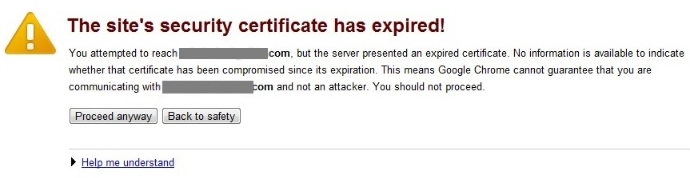
If you forget to renew the SSL Certificate, a pop-up is displayed in the Web Browser showing a message as “The site’s security certificate has expired” to the user visiting the site.
A site with no SSL Certificate is prone to attacks and the information could be tampered with or stolen in transit. To understand this, read our article on the Risks of Not Having an SSL Certificate.
So what needs to be done so that the website is secured again?
(Simple: Renew your SSL Certificate and secure the website from dangerous pop up that displays in the web browser)
The process of SSL certificate renewal is the same as purchasing a new one. Follow the below steps to renew SSL Certificate:

Things to keep in mind during renewal
There is also a general query like:
Yes, you do. Every time you opt for a renewal, you must generate a new CSR/RSA pair that’s mandatory to save your RSA for the further installation process.
If you cannot generate CSR yourself, ask your web hosting provider to do this for you.
Once done, you can proceed with the next steps but maintain the same contact information while getting an OV/EV SSL certificate. This will speed up your renewal process.
It’s important to know how long does renew SSL Certificate takes. The period taken to renew an SSL Certificate is the same as buying a new SSL Certificate. They follow similar steps.
The time taken for the issuance of the Renew SSL Certificate depends on multiple factors. So, the time period given below may vary depending on a smooth validation process. If you are Renewing Domain Validation (DV) SSL Certificate then it might take about 1-2 hours to issue.
There have been long debates regarding – why long-life certificates don’t exist or why do SSL certificates expire?
The answer is “Security”. A shorter life certificate helps mitigate compromises of keys, as new keys are generated every time. Also, to ensure all certificates are using the latest security standards.
Many times, it’s hard to remember the expiry date of the certificate and fails to renew it on time. So, here’s a tool to make that task easier and simple- Have a look at the SSL Checker!
It helps you to keep track of your SSL Certificate and its upcoming expiry dates.
If you opt for Https. in then you don’t have to keep a track of your SSL’s expiry dates either as we will notify you of the expiration date every 90,60,30 days before the expiry.
As we know SSL Certificate expires once its validity period is over. To avoid this expired SSL Certificate, the website owner or any person having the authority of the website can simply renew the SSL certificate.
Steps to Fix Expired SSL Certificate:
By following these above steps, you could fix your expired SSL Certificate and secure your website again.
Visit our page for any queries to renew your SSL Certificate!












The End of 1-Year SSL Certificate Validity: What Organizations Need to Know